


Table of Contents
A practical overview of digital transformation strategies for small businesses in 2026, highlighting tools like cloud platforms, CRM systems, automation, and AI that improve operations, increase efficiency, and support long-term business growth.
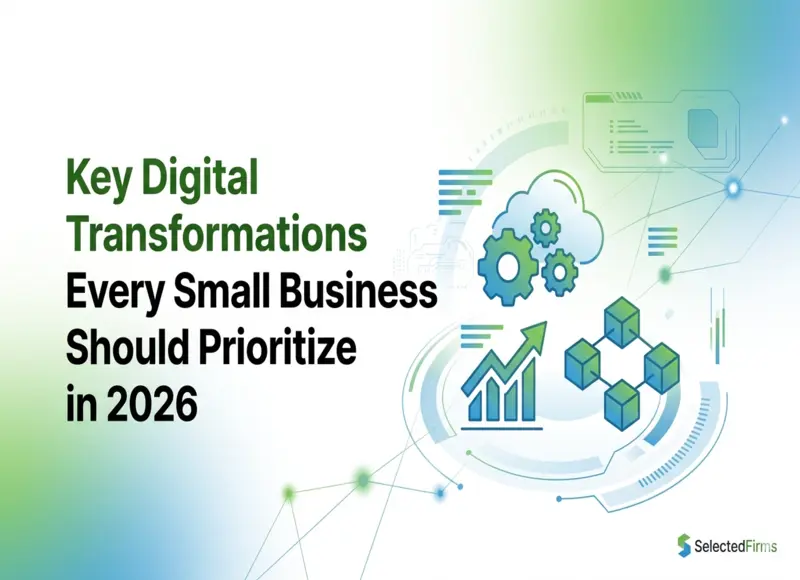
We are currently in a period of digital transformation. In 2025, worldwide spending on IT modernization reached a high of 2.58 trillion. Organizations of all sizes must adapt to a more cloud-based, interconnected world.
The situation creates difficulties for smaller businesses. The process of transformation requires both time and financial resources. Organizations should focus on projects which deliver better efficiency and compliance and business expansion rather than complete system changes. The following list shows you ways technology can assist you.
1. Streamlining Financial Operations
Financial operations power the everyday activities of your organization. From ensuring day-to-day compliance to handling expense management, they’re essential for keeping ‘the show on the road’.
Digital solutions offer increased oversight, reduce manual admin, and improve the overall efficiency of business finances.
Embracing Cloud Accounting
Cloud accounting solutions integrate with invoicing, payroll, and reporting tools to deliver real-time reporting. This significantly simplifies the record-keeping process.
Instead of keeping important documents in multiple locations, information is stored in a centralized cloud. Cloud solutions deliver real-time visibility, connecting with business bank accounts to record new transactions as they occur. This significantly reduces the risk of human error and eliminates dull, repetitive admin tasks.
Best of all, records can be accessed from any device (provided users have the relevant permissions) and from any location.
Digital Tax Compliance
To ensure business longevity, organizations should make compliance a top priority. Small business owners should stay ahead of regulatory changes, including initiatives like Making Tax Digital, which streamline tax submissions and reduce manual errors.
Digital accounting tools automate tax filings and VAT calculations, meaning fewer mistakes and less stress during the submission process. By automatically recording all transactions and expenses, tools also provide a clear paper trail in the event of a sudden audit.
Expense Management Tools
Software solutions remove the headache from expense management. They’ll track receipts, automate approvals, and provide valuable budgeting insights.
This means a faster, less error-prone expense management process. Important, grow-related decisions can be approved more quickly, helping to keep your business moving. At the same time, your finance teams spend less time bogged down handling admin tasks. They can focus their efforts on more valuable activities.
2. Upgrading Customer Relationship Management
Customer relationship management (CRM) is crucial for understanding your customer base and delivering better, more streamlined experiences. Technology can bolster your CRM processes and uncover more valuable insights.
Why CRM Systems Are Critical
CRM systems create a log of every interaction customers have had with your business. You can monitor both positive and negative exchanges on social media, email, or via phone. These logs can help identify pain points and improve future experiences.
Most modern CRM systems are cloud-based, offering an easily accessible, centralized space for customer data. From here, you can access analytics-driven insights to benchmark as you improve customer communications.
Integrating Marketing Automation
As the name suggests, marketing automation tools will automatically post on social media and send emails. Teams no longer need to remember to upload on time. Instead, employees can schedule posts, reducing pressure and ensuring that content is always published at the optimal time.
Digital marketing benefits from lead scoring tools, which help increase outreach and user interaction. Each lead receives a value that results from analyzing both their demographic data and their behavioral patterns. This method enables companies to target customers who show high potential for accepting their products. You can create personalized campaigns around these customers and improve ROI.
Leveraging Analytics
Data analytics has helped level the playing field for smaller businesses. With cloud-based analytics tools freely available, organizations can unlock in-depth customer insights, including demographics, interests, and more. They can develop better products and produce more targeted sales and marketing materials.
Businesses use predictive analytics tools to forecast their future sales patterns. The company can better allocate its resources because it will concentrate its marketing efforts on times when they produce the highest returns while maintaining proper inventory levels.
3. Optimizing Operations with Project & Resource Management Tools
Successful project management is built around the efficient allocation of resources. But without sufficient oversight, this becomes more challenging. The right technology provides a centralized platform for project management, so resources are allocated to the most effective areas.
Task and Project Tracking
Task tracking tools allow users to access key project information within a single interface. They can manage individual tasks, assign roles, and plan schedules. Tracking tools improve accountability – team members are clear about their tasks and the deadlines they must adhere to.
In short, these tools ensure that the right people handle the correct tasks. Projects are more likely to be completed effectively and on time, meaning more sustainable business growth.
Employee Scheduling Software
Introducing employee scheduling software is one of the best ways small businesses can improve operational efficiency.
This solution removes the need for manual spreadsheets, paper schedules, and other documents. Software automates repetitive manual tasks such as assigning day-to-day shifts, managing leave requests, and monitoring staff attendance.
What’s more, scheduling software can use historical data to assign shifts efficiently. This way, you’ll always have the best number of employees working at the right times to meet business needs.
Workflow Automation
Workflow automation activates key processes in response to specific triggers. One example could be receiving an invoice, which is then forwarded to the relevant employee for approval.
Workflow automation saves time and reduces errors. Instead of handling repetitive admin tasks and risking mistakes, employees can focus on growth-related activities. In this way, automation can bring measurable productivity gains to small businesses.
4. Strengthening Cybersecurity Measures
Cybercriminals are constantly finding new ways to breach systems and steal data. That’s why businesses across the board are putting a huge focus on digital security. Highlighting how the issue is becoming a priority, the cybersecurity market is set to hit $439.86 Billion by 2035.
With the right processes and technology, you can bolster your systems and protect valuable data.
Cybersecurity Basics for SMBs
Unprotected small businesses are prime targets for cybercriminals. Modernization should focus on updating legacy firewalls and older anti-virus systems. At the same time, organizations should review internal policies and emphasize the importance of strong passwords, regular virus scans, and careful data handling.
If you employ remote workers, make sure that external devices have adequate protection. A Virtual Private Network (VPN) encrypts data, preventing information from being intercepted via unsecured networks.
Cloud Security Considerations
With many small businesses opting for cloud-based solutions, cloud security should be a top concern. It’s important to remember that while a provider secures the cloud, it's your responsibility to safeguard the data stored there.
Choose cloud storage solutions with built-in encryption. At the same time, make sure that appropriate access controls are in place; employees should have access only to the information they need.
Lastly, make sure to back up all files. While cloud storage is highly secure, data is still vulnerable to accidental deletion or corruption.
Employee Training & Awareness
While technology is important, employee cybersecurity awareness is equally important. Be sure to offer training and education to reduce risk and further employee understanding of key areas. Be sure to focus on the following areas in particular
- Explaining the impacts a potential data leak can have on your business.
- Exploring the telltale signs of phishing and malware.
- Cover the legal obligations associated with handling data.
5. Enhancing Online Presence and Digital Marketing
Thanks to data analytics and an abundance of free marketing tools, it is easier than ever for small businesses to spread brand awareness online. To be successful, however, organizations must pursue tactics to help them stand out from the crowd.
Website & Mobile Optimization
Website performance determines whether users will stick around on your site or leave. Slow-loading pages, unresponsive page elements, and frequent crashes all increase the likelihood that a user will abandon your site.
Similarly, 62% of all website traffic is now attributed to mobile users. Your potential is excluding a huge chunk of customers by not catering to these users. Instead, opt for a mobile-friendly design that adjusts the size of images and other page elements for mobile users.
You can use website performance tools to analyze site speed for both desktop and mobile traffic. These tools offer in-depth analysis of site issues, helping to address pain points and improve engagement.
SEO and Content Marketing
Search Engine Optimization (SEO) helps determine your website’s position in search engine rankings. Content marketing is one of the most effective SEO tactics. Here, you’ll provide valuable website articles, social media posts, and video content to attract traffic and boost your search engine position.
SEO tools can help refine your approach. These solutions provide useful features, such as competitor analysis, that help you understand the kinds of content rival businesses use successfully. They also track your website rank as you carry out your strategy.
Paid Media and Retargeting
While small businesses lack the resources of larger organizations, they can still run successful paid campaigns by allocating resources efficiently. Pay-per-click (PPC) tools can assist with keyword research, helping you spot the best opportunities for your advertising. Solutions also provide ROI tracking to ensure campaigns deliver the desired results.
To make the most out of paid media, businesses can use a retargeting strategy. Here, instead of reaching new potential customers, you’ll market to people who have previously shown an interest in your brand. Retargeting software can help identify the best users to pursue in your campaign.
6. Preparing for Future-Ready Technologies
In a rapidly evolving world, it's wise to have one eye on the future. Small businesses can get ahead by capitalizing on new and emerging trends.
AI and Automation in Small Business
Artificial intelligence is the talk of the town for businesses in all sectors. Here are some examples of AI tools small businesses can leverage to their advantage.
- Chatbots - Modern AI chatbots are significantly more intelligent than earlier iterations. Machine learning means that AI agents can learn from previous interactions and provide more valuable responses.
- Recommendation engines - AI can look at an individual customer’s user journey and previous buying habits to provide highly accurate product recommendations.
- Automated customer support - Alongside chatbots, AI can also provide digital agents during phone calls. These can resolve simple queries, reducing the pressure from human agents, who can focus on more complex issues.
Leveraging Data for Decision-Making
Emerging technologies such as AI are built on detailed data sets. That’s why small businesses should aim to collect as much information as possible.
Earlier, we touched on the potential benefits of predictive analytics. With sufficient data, businesses can leverage this technology across many areas. It can be used by sales teams, for instance, to improve lead scoring accuracy. Equally, HR can use the technology to forecast busier periods where more employees are needed.
Scalable Tools and Systems
When investing in new technology, small businesses should focus on solutions that scale as they grow. Many cloud-based solutions offer tiered payment plans. Organizations can switch plans as they expand and require additional features, helping to avoid costly migration from replacing old systems.
Actionable Steps to Implement These Transformations
Small businesses need to face digital transformation challenges because it creates difficult operational changes. You should assess your current systems to find their most important improvement areas instead of taking on work beyond your abilities. You should transition to new systems through a step-by-step process, while you need to explain system advantages to your team.


Head Of Digital Marketing
Recent Blogs

Elia Martell
5 Virtual Recruiting Support Operations for Tech and Healthcare Teams
-

09 Oct 2026
-

8 Min
-

477
Jane Hart
Why LinkedIn Campaign Optimization Requires More Than CPC and CTR
-
09 Oct 2026
-
8 Min
-
155
Jane Hart
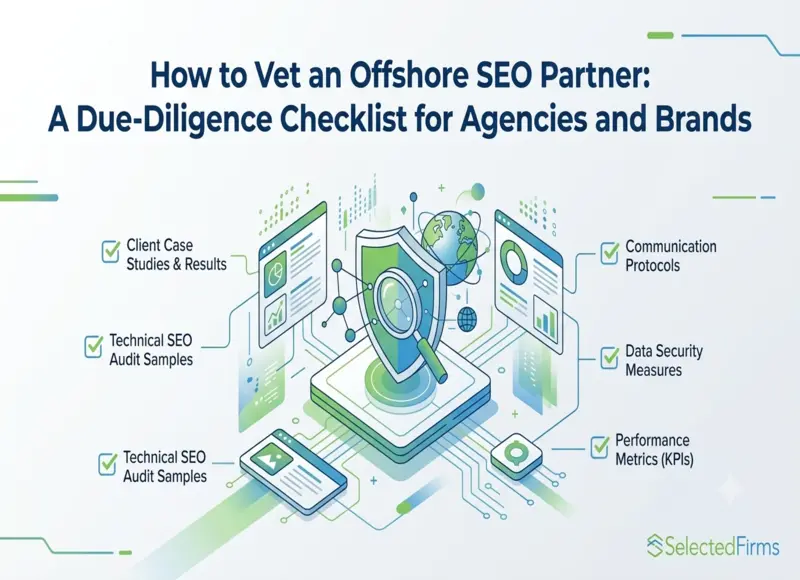
How to Vet an Offshore SEO Partner: A Due-Diligence Checklist for Agencies and Brands
-
08 Oct 2026
-
8 Min
-
263
Jane Hart
Benchmarking GPU Providers: A Practical Guide to Comparing Cloud Compute Options
-
07 Oct 2026
-
6 Min
-
173
