


Best Cleaning Business Software for Cleaning Companies in 2026
-
Last Updated:

26 Jun 2026
-
Read Time:

7 Min Read
-
Written By:
 Isha Choksi
-
843
Table of Contents
Compare the best cleaning business software for 2026, including tools for scheduling, invoicing, payroll, team management, automation, and customer communication to help your cleaning business run more efficiently.
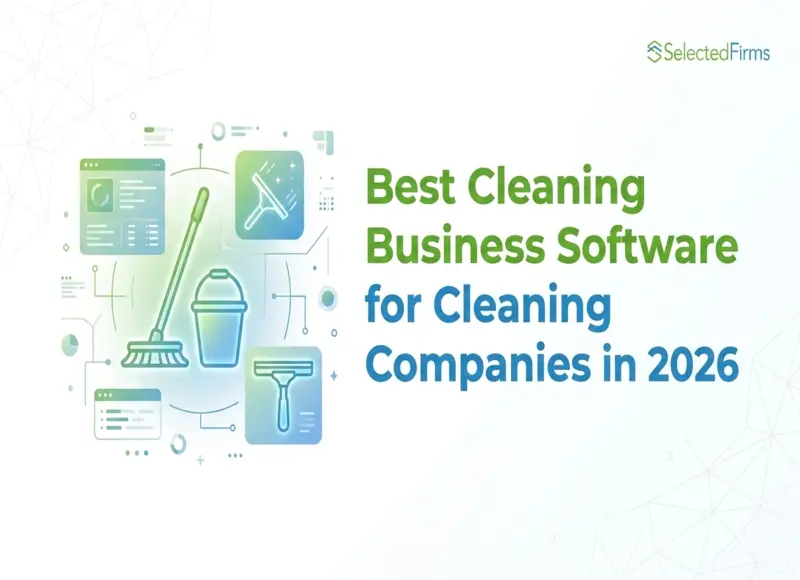
Running a cleaning company takes more than filling a calendar. You’re managing crews, handling customer questions, sending reminders, collecting payments, tracking hours, and trying to keep every job moving without constant follow-up.
When those tasks live across spreadsheets, texts, invoices, calendars, and payroll tools, small mistakes start turning into bigger problems. Jobs get missed. Customers need updates. Cleaners ask for details. Office staff waste time repeating the same tasks every day.
That’s why having the right cleaning business software matters. A solid setup keeps planning appointments, team chatting, invoicing, wages, nudges, and analytics in one organized place, and it helps you stay sane. The purpose is not only to look a bit more professional.
For 2026, five platforms stand out for cleaning businesses, comparing their options:
- The Cleaning Software: built specifically for cleaning companies
- Jobber: a general service business platform with strong scheduling tools
- Housecall Pro: a home service platform with booking, invoicing, and customer updates
- Connecteam: a workforce management app focused on scheduling and staff communication
- ServiceM8: a mobile-first job management platform for field teams
Each one can help a cleaning company in a different way. The right choice depends on your business size, how your team works, how much automation you want, and whether you need cleaning-specific features or a flexible general platform.
Cleaning business software comparison
|
Tool |
Strengths |
Limitations |
Best for |
|
The Cleaning Software |
Cleaning-specific workflows, payroll, billing, reminders, mobile app, and cleaning reports |
Built only for cleaning businesses |
Cleaning companies that want one complete system |
|
Jobber |
Scheduling, quotes, client portal, payments, reports |
Not built specifically for cleaning workflows |
Service companies that want a broad operations tool |
|
Housecall Pro |
Online booking, invoicing, SMS updates, integrations |
Advanced tools can get costly |
Home service businesses across multiple trades |
|
Connecteam |
Team scheduling, time tracking, communication, and HR tools |
Not a full cleaning CRM |
Cleaning companies focused mainly on staff management |
|
ServiceM8 |
Mobile app, job updates, GPS tracking, fast invoicing |
Payroll and deep reporting need outside tools |
Mobile-first field service teams |
The Cleaning Software (TCS)
The Cleaning Software was made especially for cleaning businesses , so it has a big advantage over general platforms. Rather than asking owners to build cleaning workflows from the start, the system is already laid out around how cleaning companies actually run day to day. It fits, almost automatically, and that makes everything a bit easier.
Pros
- Built around cleaning operations
The Cleaning Software includes workflows made for residential and commercial cleaning teams. Owners can manage recurring services, job details, cleaner notes, task lists, and customer communication without forcing a general CRM to behave like cleaning software.
- Payroll is included
Many cleaning companies use one tool for scheduling, another for time tracking, and another for payroll. That creates extra admin work and more room for mistakes. The Cleaning Software brings payroll into the same system, which helps owners manage cleaner hours, pay rates, and payroll activity without relying on several disconnected tools.
- Client reminders are automatic
Appointment reminders help reduce missed bookings and last-minute confusion. The Cleaning Software can send reminders through text and email, so office staff do not need to manually follow up with every customer before every visit.
- Cleaner-friendly mobile app
Cleaners do not need a complicated dashboard. They need job details, schedules, notes, checklists, and clear instructions. The mobile app is designed around that reality, which helps field teams stay focused without digging through features meant for other industries.
- Reports that matter to cleaning companies
Generic reports can be hard to use because they are often built for sales teams or broad field service businesses. The Cleaning Software focuses on cleaning-specific data, giving owners a clearer look at completed jobs, payroll, performance trends, and customer activity.
Cons
- Smaller public footprint
Since The Cleaning Software is more focused and a newer creation than some general platforms, it does not carry the same amount of public reviews, or huge online communities. That stated, its cleaning specific layout actually makes it much more fitting for owners who want software built around their own operating model, not just a generic fit.
- Not meant for other trades
This is not the right platform for plumbing, HVAC, pest control, or mixed trade operations. It is built for cleaning companies, and that focus is exactly what makes it useful.
Jobber
Jobber is one of the more recognizable names in the service business software space. It works in many industries too, and gives businesses a tidy way to handle scheduling, quotes, jobs, invoices, and customer details.
Pros
- Strong scheduling tools
Jobber makes it easy to create and move appointments, assign jobs, and see the workday at a glance. For cleaning companies that deal with shifting schedules, this can be useful.
- Client portal
Customers can view quotes, approve work, and make payments through a client portal. This gives the business a more polished customer experience and reduces back-and-forth communication.
- Quote-to-job workflow
Jobber allows estimates to become scheduled jobs once approved. That helps keep sales and operations connected without re-entering the same information multiple times.
Cons
- Not cleaning-specific
Jobber works for many service industries, so cleaning companies may need to customize fields, workflows, and settings to make it fit their day-to-day operations.
- Costs can rise with more features
Some of the tools growing companies want, including deeper automation and advanced reporting, may require higher plans or add-ons.
Housecall Pro
Housecall Pro is a general home service management platform used by many service providers. It is not built only for cleaning, but it handles several core business tasks well.
Pros
- Easy online booking
Customers can request appointments online, which reduces calls and helps office teams capture job details earlier in the process.
- Automated invoices and payments
Housecall Pro can generate invoices and collect payments online, which helps businesses get paid faster and avoid messy manual billing processes.
- Customer text updates
Automated SMS updates can keep customers informed when a team is on the way or when job status changes. That can improve communication and reduce customer frustration.
Cons
- Built for many industries
Because Housecall Pro serves several trades, it does not include every cleaning-specific workflow a growing cleaning company may need.
- Advanced features may require upgrades
As businesses grow, they may need higher plans to access stronger automation, reporting, or management tools.
Connecteam
Connecteam is not a traditional cleaning CRM. It is more of a workforce management platform, which makes it useful for companies that mainly need help managing staff.
Pros
- Team scheduling
Owners and managers can create schedules, assign shifts, and notify employees when changes happen.
- Time tracking
Employees can clock in and out through the app, which helps businesses track attendance and reduce confusion around hours worked.
- Internal communication
Connecteam gives teams one place to share updates, messages, training information, and announcements.
Cons
- Not a full cleaning business platform
Connecteam does not replace a complete CRM or operations system. Cleaning companies may still need separate software for customers, billing, job management, and reporting.
- Cleaning workflows require workarounds
Task lists and scheduling can help, but the platform is not built around recurring cleaning services, customer reminders, job profitability, or cleaning-specific reporting.
ServiceM8
ServiceM8 is a mobile-first job management platform. It is popular with field service teams that need quick job updates, GPS visibility, and mobile invoicing.
Pros
- Strong mobile experience
Field teams can manage job details, update statuses, and send invoices from their phones.
- Real-time job tracking
Office staff can see when team members arrive, start work, and complete jobs. This helps managers stay informed without constant calls.
- GPS visibility
Location tracking helps with dispatching, route decisions, and last-minute scheduling changes.
Cons
- Not designed for cleaning companies
ServiceM8 handles job management well, but cleaning-specific tools may need to be built manually or handled through other systems.
- Payroll is not fully unified
Cleaning businesses that need payroll, wage tracking, and labor reporting may need outside tools.
How to choose the right software for your cleaning company
The best cleaning business software is not always the biggest name. It is the platform that matches how your company actually works.
If you run a small team and it would only require simple scheduling, & a general service tool may be enough. On the other hand, if you have multiple cleaners, recurring appointments, payroll needs, customer reminders, and reporting demands, you will likely need a more complete system.
You should also think about how much setup you want to manage. General platforms can be flexible, but that flexibility often comes with more configuration. Cleaning-specific software gives you less setup work because the core workflows are already built around the industry.
What is the best cleaning business software in 2026?
For cleaning companies that want an actual system built around how they really operate, The Cleaning Software is the strongest fit. It bundles scheduling, cleaner workflows, payroll, billing, reminders, mobile access, and reporting into a single platform designed specifically for cleaning businesses.
General platforms like Jobber, Housecall Pro, Connecteam, and ServiceM8 can still be useful, depending on what you care about most. They can cover scheduling, customer updates, mobile job tracking, or team messaging. Yet most cleaning companies will eventually hit the limits of software not designed for their industry, so the extra work piles up in the background.
If your goal is to reduce admin tasks, manage cleaners more easily, tighten customer communication, and grow while avoiding more disconnected tools, cleaning-specific software offers the clearest path forward.

Head of SEO Operations
Recent Blogs

Elia Martell
5 Virtual Recruiting Support Operations for Tech and Healthcare Teams
-
09 Oct 2026
-
8 Min
-

462


Jane Hart
Why LinkedIn Campaign Optimization Requires More Than CPC and CTR
-
09 Oct 2026
-
8 Min
-
150
Jane Hart
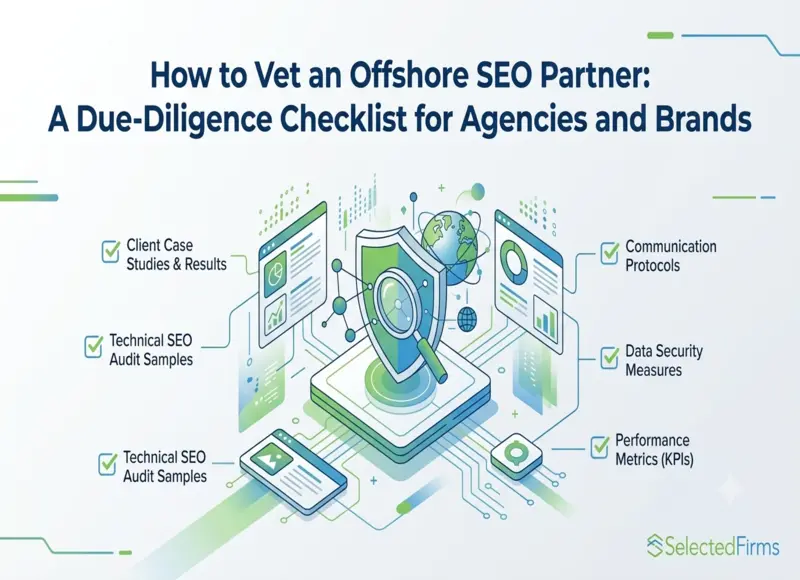
How to Vet an Offshore SEO Partner: A Due-Diligence Checklist for Agencies and Brands
-
08 Oct 2026
-
8 Min
-
249
Jane Hart
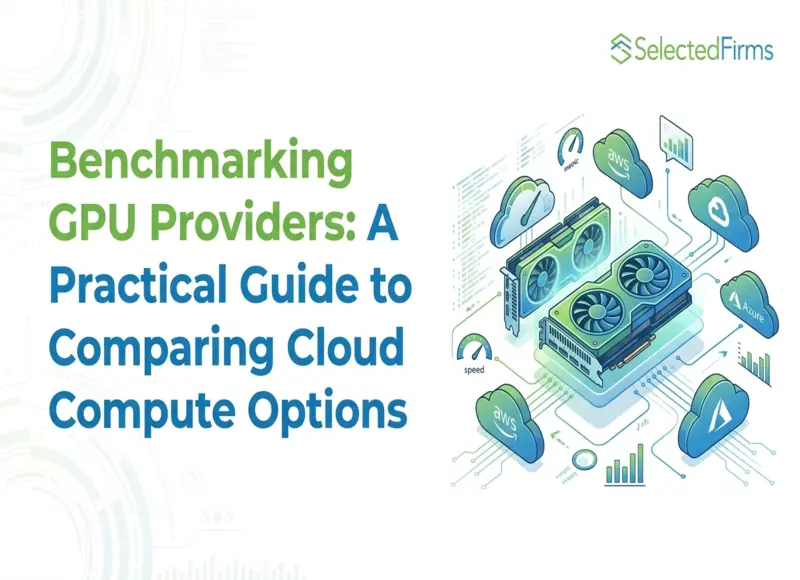
Benchmarking GPU Providers: A Practical Guide to Comparing Cloud Compute Options
-
07 Oct 2026
-
6 Min
-
171
