


How 3D Architectural Animation Is Transforming Digital Real Estate Marketing
-
Last Updated:

06 Aug 2026
-
Read Time:

8 Min Read
-
Written By:
 Isha Choksi
-
497
Table of Contents
Static images are yesterday's news. See how 3D architectural animation is helping real estate platforms deliver immersive property experiences powered by live data.
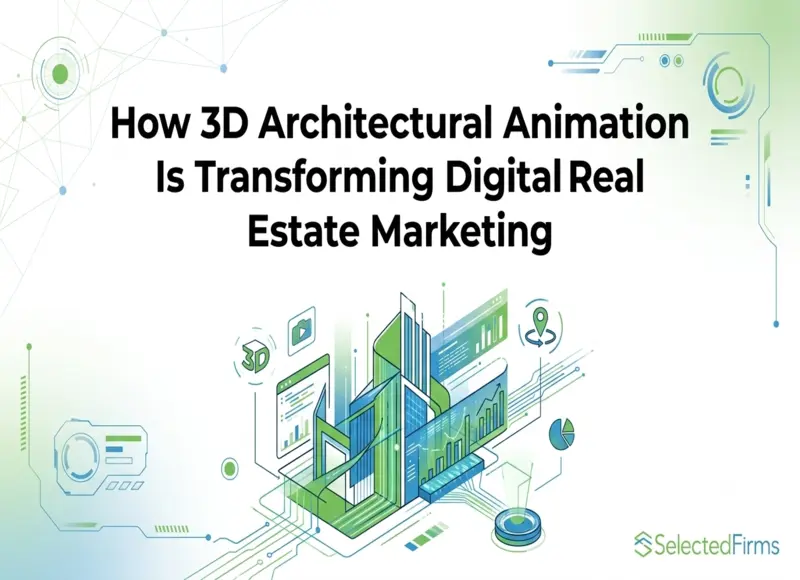
Picture a buyer discovering your latest development online. They tap on the listing expecting more than polished images. They want to explore the entrance, move through the interiors, see the surroundings, and understand what life in the space could actually feel like.
Static visuals used to capture attention. They no longer tell the complete story.
The shift reflects how people search for property today. According to NAR, 97% of home buyers use the internet during their home search, making digital experiences the first interaction most buyers have with a project.
Digital marketing has transformed the way real estate projects are marketed to clients. Buyers, investors, and other partners get the first look at a project through websites, social media, online marketing campaigns, and 3D presentations. Thus, that very first impression should be such as to answer some of the questions, instilling confidence and excitement in the audience before they make it to the sales office.
This is where 3D architectural animation stands apart. Instead of showing isolated views, it brings an entire development to life through movement, context, and storytelling. It helps audiences experience a project rather than imagine it.
So, what makes architectural animation such a valuable marketing asset, and why are more developers making it part of every major project launch?
From Showing Buildings to Selling Experiences
The difference between displaying a property and helping people experience it has become a competitive advantage.
Then vs Now
|
Then |
Now |
|
Buyers relied on brochures and static renderings. |
Buyers expect immersive digital experiences. |
|
Floor plans explained layouts. |
Walkthroughs make spaces easy to understand. |
|
Sales offices handled most project presentations. |
Websites and digital campaigns create the first impression. |
|
Investor meetings depended on technical drawings. |
Visual storytelling speeds up discussions and decision-making. |
|
Marketing materials were separate from the overall customer journey. |
Visual experiences support marketing, sales, and investor communication together. |
Modern buyers have grown comfortable exploring products online before making decisions. Property is no different. They want enough information to picture themselves in a space long before construction is complete.
Behind Every Great Animation Is a Bigger Strategy
Creating a beautiful animation is only part of the process. The real challenge is making sure it supports your marketing goals and answers the questions your audience is already asking.
How should people experience the project?
Every development tells a different story. A luxury apartment tower, a mixed-use community, and a commercial office space all require different visual journeys. The animation should reflect the audience rather than follow a generic presentation style.
What should viewers notice first?
The strongest animations guide attention with purpose. Instead of showing every feature equally, they highlight the spaces that influence buying decisions, such as entrances, amenities, shared areas, landscaping, and interior design.
How will the content stay relevant?
Projects evolve throughout planning and construction. Updated layouts, revised amenities, and design changes should be easy to incorporate without restarting the production process from scratch.
Working with an architectural animation company that understands both visualization and real estate marketing helps developers plan these decisions early, creating content that remains useful throughout the project's lifecycle.
Why Visual Stories Leave a Stronger Impression
People rarely buy property based on dimensions and specifications alone. They buy into a lifestyle, a location, and the experience a development promises to deliver.
-
Helping Buyers See the Finished Vision
Architectural drawings and floor plans provide important technical information, but they often leave room for interpretation. Many buyers struggle to visualize how individual spaces connect or how the finished development will actually feel.
Animation removes that uncertainty by taking viewers on a guided journey through the project. Instead of interpreting plans, they experience the arrival, explore shared amenities, move through interiors, and understand how the surrounding environment complements the development.
The result is a clearer understanding of the project before construction even begins.
-
Creating an Emotional Connection
Emotion plays a major role in real estate decisions.
Thoughtful camera movements, realistic lighting, seasonal landscaping, and everyday activity transform a design into a place people can imagine themselves enjoying. Rather than presenting disconnected visuals, animation creates a continuous story that stays with viewers long after they leave the page.
That emotional connection often leads to stronger engagement, more qualified enquiries, and better conversations between developers and prospective buyers.
One Investment That Powers Every 3D Animation Campaign
Marketing teams are constantly creating content for different audiences and platforms. Producing separate assets for every campaign quickly becomes expensive and difficult to manage.
Getting More From Every Production
A single architectural animation can be adapted into content for multiple marketing channels, including:
- Project websites
- Social media campaigns
- Digital advertising
- Email marketing
- Investor presentations
- Sales centre displays
- Exhibition events
- Short promotional videos
Instead of maintaining different visual styles across channels, developers can build every campaign around one consistent story.
That consistency helps strengthen brand recognition while making marketing production more efficient.
Helping Investors See More Than Drawings
Winning buyer interest is only one side of the equation. Investors and stakeholders also need confidence before committing to a project.
Turning Technical Information Into Clear Communication
Planning documents, floor plans, and BIM models contain valuable information, but they are designed for professionals. Investors often need a broader perspective that connects technical details with commercial potential.
Architectural animation brings those elements together by showing how residential spaces, commercial areas, public amenities, transport links, and surrounding infrastructure work as one complete development.
Instead of spending time interpreting drawings, stakeholders can focus on evaluating opportunities, discussing strategy, and making informed decisions with greater confidence.
Building Confidence Before Construction Begins
One of the biggest hurdles in real estate marketing is convincing buyers to invest in something they cannot physically visit. The earlier that uncertainty is reduced, the stronger the momentum during pre-sales.
Making Off-Plan Sales Easier
Buyers want reassurance that the finished development will match what they have been promised. Architectural animation gives them a realistic preview of the project, making it easier to understand layouts, shared amenities, surrounding streets, and the overall atmosphere.
Instead of relying on imagination, they can experience the property before construction is complete. That added clarity helps buyers make decisions with greater confidence and gives sales teams a stronger foundation for meaningful conversations.
Choosing the Right Visualization Partner
Not every provider approaches architectural animation in the same way. The best choice depends on your project goals, timeline, budget, and how you plan to use the final content.
|
Provider Type |
Best For |
Things to Consider |
|
High volume production studios |
Large portfolios and recurring projects |
Efficient delivery with standardized workflows. |
|
Boutique visualization studios |
Luxury and premium developments |
Greater creative focus with longer production schedules. |
|
Branding focused creative agencies |
Marketing campaigns and project launches |
Strong storytelling but may rely on external visualization specialists. |
|
Independent freelancers |
Smaller developments and limited budgets |
Flexible and affordable, though scalability may be limited. |
The right partner should do more than create visually appealing content. They should understand your audience, your marketing objectives, and how the animation will support sales long after it is delivered.
Why More Agencies Are Making the Shift
Clients are beginning to expect immersive property experiences by default. Offering static visuals alone is becoming the exception rather than the standard.
Meeting Higher Client Expectations
Property marketing has become increasingly digital. Buyers expect interactive content, investors want clearer presentations, and developers need marketing assets that work across multiple platforms.
That demand is encouraging more real estate software development agencies to integrate advanced visualization into the digital experiences they build. Instead of treating animation as a standalone asset, it is increasingly integrated into websites, sales platforms, virtual presentations, and customer journeys.
The result is a more engaging experience that keeps users exploring projects longer while giving developers greater flexibility in how they present new launches.
From Concept to Campaign
Creating architectural animation is not just about producing a video. It is about building an asset that supports marketing throughout the project lifecycle.
A Typical Workflow
- Define the project goals
Identify the target audience, campaign objectives, and the story the animation should communicate. - Collect design assets
Gather architectural drawings, BIM models, CAD files, material references, and landscape plans. - Build the digital environment
Develop accurate 3D models, apply materials, lighting, vegetation, and environmental details. - Animate the experience
Plan camera paths, movement, and pacing to create a natural journey through the development. - Review and refine
Validate design accuracy, incorporate stakeholder feedback, and finalize the production. - Repurpose across marketing channels
Adapt the animation into shorter videos, social media clips, website content, presentation visuals, and digital advertising assets.
A structured workflow keeps production efficient while ensuring the finished content remains useful across multiple campaigns.
What Comes Next for Digital Property Marketing
Technology continues to reshape how developments are presented.
Buyer Expectations Will Keep Rising
Real-time rendering, virtual reality, interactive walkthroughs, and AI-assisted production are making property marketing more immersive than ever before. Buyers increasingly expect to explore projects on any device, whenever it suits them.
Developers that invest in engaging digital experiences today will be better prepared for those changing expectations tomorrow.
The focus is no longer on creating more marketing materials. It is on creating experiences that help people understand a project faster and remember it longer.
Worth Seeing It in Action?
Reading about architectural animation is one thing. Seeing how it transforms a digital property experience is another.
If you are exploring new ways to market future developments, it is worth looking at how immersive visualization fits into your broader digital strategy before your next project launch.
Conclusion
Digital property marketing has evolved far beyond brochures and static renderings. Buyers want to experience a development before construction begins, while investors expect presentations that communicate both vision and value.
3D architectural animation bridges that gap by turning technical information into engaging visual stories. It helps developers communicate ideas more clearly, strengthen marketing campaigns, and build confidence throughout the buying journey.
The platforms winning attention next are not the ones with the best photos. They are the ones that let buyers explore before anyone else does.
That is becoming the new standard.
FAQs
No. Smaller residential developments, commercial spaces, and mixed-use projects can all use it to improve marketing and communication.
Yes. It gives buyers a realistic understanding of the finished project, reducing uncertainty and helping them make purchasing decisions earlier.
Not when planned early. A structured production workflow allows animation to be developed alongside marketing activities without delaying launch schedules.
Yes. Most animations can be revised as layouts, materials, or project details evolve, provided the original production is built with updates in mind.
Look beyond visual quality. Consider industry experience, communication, production workflow, revision process, and the team's understanding of real estate marketing objectives.

Head of SEO Operations
Recent Blogs


Elia Martell
5 Virtual Recruiting Support Operations for Tech and Healthcare Teams
-
09 Oct 2026
-
8 Min
-

462

Jane Hart
Why LinkedIn Campaign Optimization Requires More Than CPC and CTR
-
09 Oct 2026
-
8 Min
-
150

Jane Hart
How to Vet an Offshore SEO Partner: A Due-Diligence Checklist for Agencies and Brands
-
08 Oct 2026
-
8 Min
-
249
Jane Hart
Benchmarking GPU Providers: A Practical Guide to Comparing Cloud Compute Options
-
07 Oct 2026
-
6 Min
-
171
