


Table of Contents
Upgrade your transport training with a logistics-focused LMS app that offers automation, mobile access, compliance tracking, reporting, and scalable learning solutions, helping businesses improve workforce performance, streamline operations, and ensure co
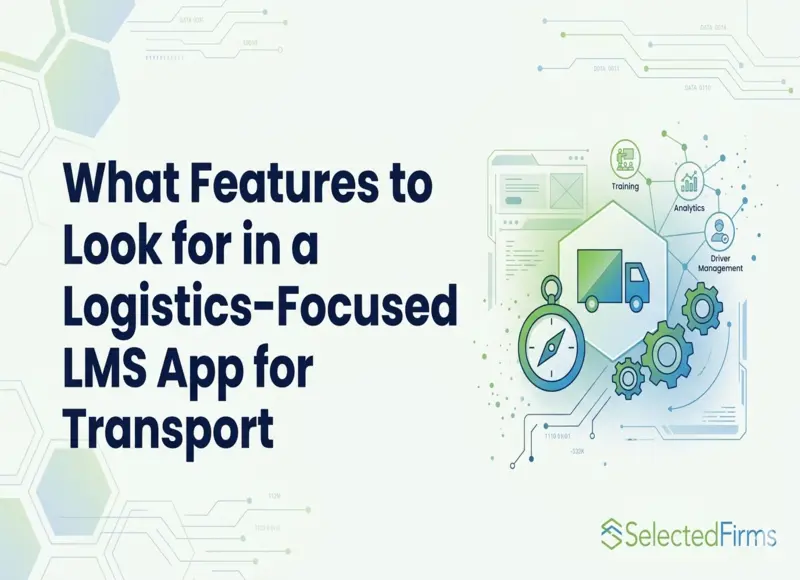
An ideal platform ensures seamless training, compliance, and continuous education. Knowing what features to use first prevents organizations from onboarding difficulties and leads to better results from focused employee training.
User-Friendly Interface
Having a clean, user-friendly dashboard is the core of any learning platform. Built-in intuitive navigation allows all staff members to access training materials quickly and easily. Low confusion with clear menus, logical layouts, and meaningful prompts. Simple Interface. The simpler it is to input and access, the less time it takes to train staff on using the system, and the more they can focus on the content of your course, rather than troubleshooting it. Exploring LMS transport shows what features to look for in a logistics?focused platform.
Mobile Accessibility
Transportation workers are deskless. Mobile responsiveness promotes on-the-go learning through mobile devices like smartphones or tablets. Responsive design offers a platform that provides consistent experiences from one device to the next. The ability to access courses while offline means you can make headway even when you do not have an internet connection, which is simply valuable while driving or for remote team members.
Comprehensive Course Management
Organized content facilitates diverse learning requirements. It provides a powerful platform to upload different formats like video, documents, and interactive modules. Administrators can organize courses by subject, job position, or level of advancement. These features will help in better resource allocation and hence ensure that learners are taught exactly what they need, right when they require it.
Automated Scheduling and Notifications
Refresher alerts help stay on track with training. Automation-driven scheduling features guarantee that the classes, assessments, and certification renewals happen in a timely manner. Email or device notifications also remind users to finish the modules that are due. The automation decreases the administrative burden and also establishes fresh audit trails seamlessly.
Customizable Learning Paths
Personalized instruction increases engagement. Such systems that enable a customized learning experience allow the staff to learn at their own pace and work through the areas that need improvement. Modules can be assigned by managers based on job roles or performance data. Flexible tracks are for the novice employee and the seasoned team member looking to advance their skills.
Tracking and Reporting Tools
It is also important to record how much the learner has progressed. Supervisors can monitor completion, quiz scores, and attendance with detailed analytics. Reports can be customized for different opinions and audits, and they also enable trend- or gap-detection in knowledge. Keeping track of reliability ensures adherence to safety regulations or industrial standards.
Integrations with Other Systems
The key separation is that a transport-oriented platform should be able to integrate seamlessly with the businesses' applications that they already have. Integration with payroll, scheduling, or human resources systems minimizes double data entry. Common data across platforms: to simplify the onboarding, certification management, and performance appraisal process. When data is transferred smoothly, it saves time and aligns the records without any discrepancies.
Support for Compliance Training
Logistics regulatory requirements may be stringent. Compliance modules help businesses comply with industry standards. Recertification reminders and updates in legal or safety regulations are automated to reduce risks. An adaptable platform to embrace new paradigms to keep companies ready for change and avoid penalties.
Assessment and Feedback Features
Such evaluation of learning outcomes ensures effectiveness. A Q&A assessment system enhances courses with quizzes, exams, and interactive assessments to enable trainees to periodically check their understanding. Immediate feedback can inform trainees' areas of strength or weakness after an assessment, and the instruments may be altered according to the training requirements.
Another important means through which organizations can identify knowledge gaps early and address them by obstructing the reports from being completed. Continuous evaluation encourages employees to keep up their interest in learning programs and actively engage in the classes. Feedback concerning the performance to teachers will enable them to better accommodate different learner needs. This helps in increasing the effectiveness of the training.
Over time, this structured approach to evaluation builds confidence among employees, as they can clearly track their progress and achievements. Furthermore, data collected from assessments can be used to improve overall training strategies, align learning objectives with business goals, and ensure that the workforce remains competent and well-prepared. By maintaining a strong emphasis on measurement and feedback, organizations can foster a culture of continuous improvement and high-quality learning outcomes.
Security and Data Privacy
Ensuring the security of company-sensitive and employee-related data is still a pertinent issue today. A trusted platform employs secure encryption, robust authentication, and regular backups. Authorization ensures that access is only given to those who are rightly authorized, keeping all personal and business data close to their keepers. Enforcing privacy regulations and internal policies can create an environment of trust and shield the brand from loss of reputation.
Scalability and Support
Change and growth are two constants in logistics. A platform that can support more users, courses, or regions without performance deterioration avoids disruption. Active customer support helps overcome technical challenges during training. Even with scalability permits, businesses adjust quickly, as their needs always adapt and change.
In a fast-paced logistics environment, organizations frequently encounter shifts in demand, regulatory requirements, and technological advancements that require continuous adaptation. A reliable platform ensures that these transitions occur smoothly without interrupting ongoing training or operational workflows. As teams expand across different locations or time zones, consistent system performance becomes even more critical to maintain productivity and learning continuity.
Additionally, responsive customer support provides timely solutions, minimizing downtime and ensuring that users can remain focused on their development goals. Organizations also benefit from platforms that offer flexible configurations, allowing them to customize features, update content, and introduce new training modules as requirements evolve.
This adaptability supports long-term growth and helps businesses remain competitive in a dynamic industry. By prioritizing scalability and dependable support, companies can create a resilient learning infrastructure that evolves alongside their workforce and operational needs.
Conclusion
When selecting a logistics-centric LMS, it is critical to deliberately consider some vital functions that are essential. With intuitive design, mobile support, personalized learning, robust tracking, and security being priority areas, organizations can promote the constant development of employees. Getting onto the right platform equips teams with advanced skills, enabling them to work in a safer environment with greater efficiency.
An LMS solution should also be evaluated for its integrability along other fronts, such as enterprise resource planning software and workforce management software. Interoperability ensures efficiency, less duplication of effort, and the airtight correlation of learning data to business objectives. Scalability is another crucial snare, as a good LMS must be able to grow in tandem with the operations requirements of logistics companies.
User engagement features, such as interactive modules, gamification elements, and real-time feedback mechanisms, can further enhance the learning experience and improve knowledge retention among employees. Moreover, access to analytics and reporting tools enables decision-makers to assess training effectiveness, identify skill gaps, and continuously refine learning strategies. Strong customer support and regular updates from the provider also contribute to long-term usability and reliability.
By taking a comprehensive and forward-thinking approach, organizations can ensure that their LMS investment delivers lasting value, supports workforce readiness, and strengthens overall operational performance in a competitive logistics environment.


Head Of Digital Marketing
Recent Blogs

Elia Martell
5 Virtual Recruiting Support Operations for Tech and Healthcare Teams
-

09 Oct 2026
-

8 Min
-

477

Jane Hart
Why LinkedIn Campaign Optimization Requires More Than CPC and CTR
-
09 Oct 2026
-
8 Min
-
155

Jane Hart
How to Vet an Offshore SEO Partner: A Due-Diligence Checklist for Agencies and Brands
-
08 Oct 2026
-
8 Min
-
263

Jane Hart
Benchmarking GPU Providers: A Practical Guide to Comparing Cloud Compute Options
-
07 Oct 2026
-
6 Min
-
173
