


Table of Contents
A practical guide for B2B companies looking to select the right account-based marketing agency by evaluating strategy, sales alignment, account targeting, reporting, and scalable ABM execution.
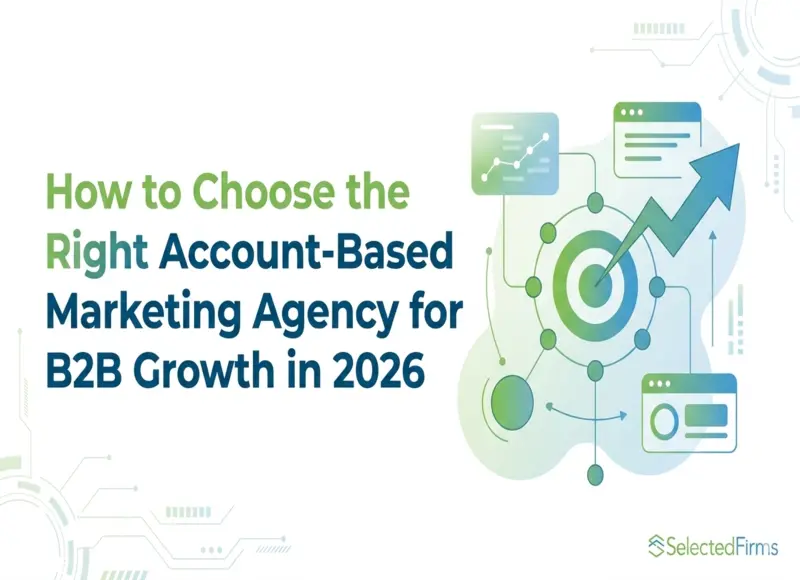
B2B growth feels more demanding in 2026. Buyers research earlier, compare vendors quietly, and involve more people before they speak with sales. Broad lead generation can still create activity, yet it often sends teams chasing accounts with weak fit or low purchase intent. Account-based marketing gives B2B companies a more focused path when the strategy starts with the right accounts, the right buying groups, and a clear plan for turning interest into sales conversations.
Bringing in a specialized firm like the account-based marketing agency is a major operational shift, and the final choice should come down to more than a polished proposal or a list of channels. The right partner should help your team define high-value accounts, build messages that match real buying pressure, coordinate with sales, and measure progress through pipeline quality. In a market where budgets face closer review, that kind of discipline matters.
Start With the Accounts You Need to Win
Before you compare digital marketing agencies, sharpen your own account goal. ABM works best when the company knows which accounts deserve special effort and why those accounts matter. A strong agency can help refine that list, but it cannot replace clear business judgment from leadership. Start with firmographic fit, deal size, buying triggers, industry pain, past closed-won patterns, and sales capacity.
Many B2B teams make the same early mistake. They ask an agency to “run ABM” before they define the revenue segment they want to own. That creates scattered programs with too many accounts, shallow messaging, and weak follow-up. A better brief names the segment, the account tiers, the decision makers, and the commercial reason each group matters.
A good agency will push back when the list looks too broad or political. If every account looks important, no account receives enough attention. Ask the agency how it would divide your market into one-to-one, one-to-few, and one-to-many plays. Their answer will show how they think about focus, budget, sales effort, and the kind of account experience each tier should receive.
Look for Strategy Before Channel Execution
Some agencies lead with channels. They talk about LinkedIn ads, email sequences, landing pages, webinars, direct mail, or paid search before they know the account plan. Those tactics may have a place, but tactics cannot rescue a weak ABM strategy. In 2026, the stronger partner starts with revenue goals, market selection, buying committee mapping, offer strategy, and sales follow-up.
Ask each agency to explain how it would build a program from scratch. Listen for the order of operations. The right partner should move from ICP quality to account selection, then to buyer roles, message angles, content gaps, channel plan, sales motions, measurement, and review rhythm. That sequence matters because ABM depends on repeated contact with the same companies across several points of influence.
You also want an agency that can separate account-based marketing from personalized advertising. Ads may create air cover, but ABM needs more depth. It needs sales-ready insight, account-specific reasons to engage, buyer education, executive outreach, retargeting, content paths, and strong handoff rules. If the agency treats ABM as a media buy, your program may generate clicks without changing pipeline quality.
Ask How They Build the Target Account System
The target account list is the operating file for the whole program. It needs clean company data, useful segmentation, named buying roles, contact quality, account status, intent signals, CRM notes, and agreed ownership.
Without that system, the agency and sales team may contact the same company with conflicting messages or chase accounts with little chance of closing. A well-built system also gives marketing and sales one shared view of which accounts deserve attention now, which need nurture, and which should stay off the active list.
Ask the agency how it audits CRM data before launch. It should look for duplicate accounts, bad industry tags, missing revenue bands, outdated contacts, weak job titles, and closed-lost accounts that should stay out of paid activity.
It should also compare your best customers against your proposed target list. The goal is simple: spend more energy on companies that match your strongest revenue pattern.
Intent data deserves careful handling. A good partner will treat intent signals as clues, not as final proof of buying interest. Search patterns, review activity, website sessions, content downloads, and third-party topic spikes can help sales prioritize.
They still need human review, message context, and account knowledge. Ask how the agency combines first-party data, sales notes, CRM history, and outside signals before it recommends action.
Test Their Sales Fit, Not Their Slide Deck
ABM fails when marketing runs ahead, and sales receives a list of “engaged accounts” with no clear next step. The agency you choose must know how sales teams work in real life. Account executives need usable reasons to reach out. SDRs need message angles that sound natural. Leaders need enough visibility to see which accounts deserve attention this week.
During evaluation, bring sales into the conversation early. Ask the agency to show how it would brief an account executive before outreach. The answer should include account background, likely business pressure, active contacts, useful content touchpoints, suggested opener, risk notes, and a follow-up path. If the plan stops at “sales can reach out,” the program is too thin.
Look for practical sales support. Strong agencies create talk tracks, account snapshots, objection notes, campaign alerts, landing pages for priority accounts, and follow-up sequences tied to real account behavior. They also set rules for when sales should act. A demo request needs one response. A pattern of sessions from three people at a named account may need a different one. A single low-value content view may need nurture, not a call.
Demand Clean Measurement and Honest Reporting
ABM reporting can become messy fast. The buying group may contain several people. Activity may happen months before a deal opens. One channel rarely deserves all credit. For that reason, a serious agency should define success before launch and report on account movement, sales engagement, opportunity creation, pipeline value, and closed revenue. Avoid agencies that promise quick revenue from accounts with long buying cycles.
A useful early dashboard should show account coverage, contact coverage, engaged account rate, key-role engagement, meetings booked, sales-accepted accounts, opportunity influence, pipeline by tier, and deal progression.
Ask how the agency handles attribution. You do not need a perfect model, but you do need a fair one. Strong reporting should connect marketing activity with CRM stages and sales actions. It should flag weak data instead of hiding it. It should also separate vanity signals from buying signals. A rising click rate may look good, yet an increase in target-account meetings matters far more.
Check Content Quality and Message Discipline
B2B buyers can spot thin personalization quickly. Adding a company name to a landing page or email does not make a message relevant. The agency should show how it creates account-specific value without producing slow, expensive custom assets for every company. The strongest approach often uses modular content: industry problem pages, role-based proof points, segment-specific offers, and sales notes that can adapt quickly.
Ask for examples of messaging by account tier. One-to-one ABM may need executive briefs, custom workshops, direct outreach, and detailed account research. One-to-few programs may group similar companies by industry, trigger, technology stack, or business pressure. One-to-many programs may use broader messaging, paid media, retargeting, and scalable content paths.
Each level needs a different content model. Strong content also helps sales reopen quiet conversations without sounding like they are checking in for the sake of checking in. Look for an agency that can turn sales call notes, common objections, product strengths, and competitor gaps into messages that feel timely and specific.
AI can speed research and drafting, but it can also flood the program with bland copy. A careful agency will use AI for research support, pattern spotting, summaries, and versioning, then add human judgment before anything reaches a buyer. Ask how it reviews claims, protects brand voice, checks account facts, and keeps messages specific. In high-value B2B sales, credibility can disappear with one lazy sentence.
Choose the Partner That Can Grow With Your Team
The right ABM agency should match your stage. A startup with a narrow market may need market message, account selection, outbound support, and simple reporting. A scaling SaaS company may need tiered programs, paid media, sales plays, intent data, and content for several buying roles. An enterprise team may need governance, regional playbooks, campaign operations, and executive-level reporting.
Pricing should match the work required. Be cautious with both extremes. A very low-cost offer may cover ads and light reporting, but leave strategy and sales support thin. A very expensive program may bury a mid-market team in process before the sales team can use the work. Ask for a phased plan with a clear first 90 days, then a path to expand after early proof.
The final decision should come down to fit, evidence, and operating style. Choose an agency that asks hard questions, makes the account focus sharper, respects sales reality, explains trade-offs clearly, and measures progress with commercial discipline. The right partner will not make ABM feel magical. It will make ABM feel controlled, testable, and tied to the accounts your company most wants to win.


Head Of Digital Marketing
Recent Blogs

Elia Martell
5 Virtual Recruiting Support Operations for Tech and Healthcare Teams
-

09 Oct 2026
-

8 Min
-

477
Jane Hart
Why LinkedIn Campaign Optimization Requires More Than CPC and CTR
-
09 Oct 2026
-
8 Min
-
155
Jane Hart
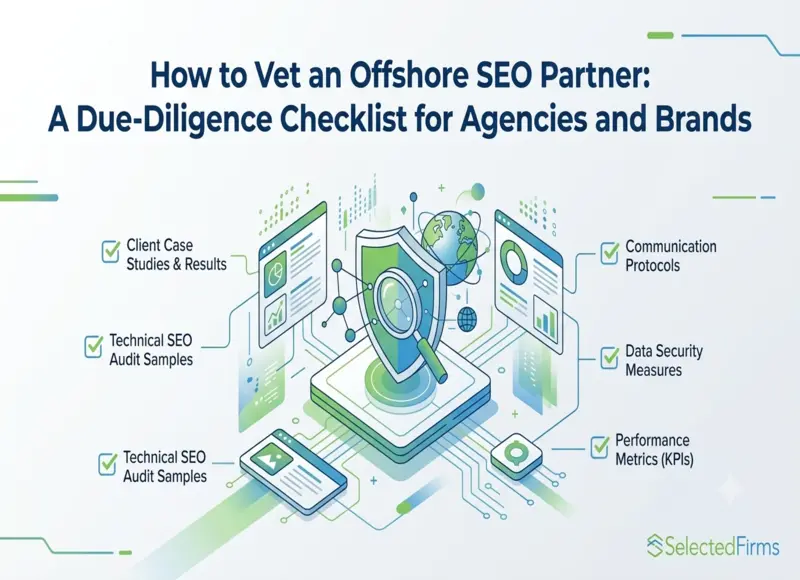
How to Vet an Offshore SEO Partner: A Due-Diligence Checklist for Agencies and Brands
-
08 Oct 2026
-
8 Min
-
263
Jane Hart
Benchmarking GPU Providers: A Practical Guide to Comparing Cloud Compute Options
-
07 Oct 2026
-
6 Min
-
173
