


How AI Is Transforming Logistics and Inventory Management in Modern E-Commerce
-
Last Updated:

11 Feb 2026
-
Read Time:

6 Min Read
-
Written By:
 Elia Martell
-
1748
Table of Contents
AI is quietly transforming logistics and inventory management in modern e-commerce. From real-time forecasting to smarter safety stock and risk modeling, brands are replacing intuition with data-driven decisions that protect margin and scale sustainably.
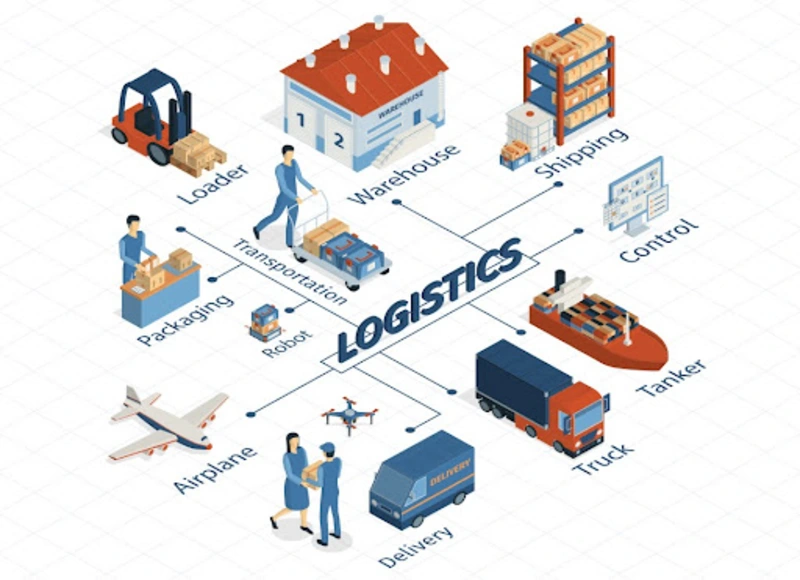
For years, e-commerce founders loved to talk about growth hacks, creatives, funnels. Logistics stayed offstage. Warehouses were “operations.” Inventory was “someone else’s problem.” As long as orders went out and customers didn’t complain too loudly, nobody asked too many questions. That era is over.
Today, logistics decides who scales and who quietly bleeds cash. Late deliveries don’t just annoy customers, they kill repeat purchases. Overstock doesn’t just sit there, it eats margin and blocks growth. Stockouts don’t just look bad, they turn paid traffic into pure waste. It’s no surprise that more brands are paying close attention to AI for ecommerce, especially where logistics and inventory are concerned. Not because it sounds futuristic. Because the old way stopped working.
Inventory Management Used to Be About Confidence
If you’ve ever talked to an ops lead from five or ten years ago, the logic was familiar. Order more before peak season. Keep a buffer. Trust last year’s numbers. Adjust if something feels off.
It wasn’t careless. It was human. And it worked when demand behaved itself.
Modern e-commerce doesn’t behave. Demand jumps without warning. One influencer's post empties shelves overnight. Paid media scales faster than suppliers can react. Regional trends flip mid-season. At that point, confidence becomes guesswork. And guesswork gets expensive. AI didn’t enter logistics because it was trendy. It entered because humans hit a ceiling.
Forecasting Stopped Being a Debate
Traditional forecasting is slow by design. Sales, marketing, and ops argue over numbers. Everyone protects their assumptions. The final forecast is usually a compromise nobody fully trusts.
By the time it’s approved, it’s already outdated. AI doesn’t care about consensus. It works off signals. Live sales data. Traffic patterns. Campaign schedules. Weather shifts. Supplier delays. Seasonal volatility. It processes all of it continuously and updates forecasts in real time.
There’s no monthly ritual. No endless spreadsheet versions. Forecasting becomes a background process that feeds decisions directly. For many teams, that’s the first uncomfortable shift. Less discussion. More automated action.
Warehouses Became Information Hubs
Warehouses used to be measured in square meters and headcount. Now they’re measured in data. Every scan, pick, pack, delay, mispick, and return creates information. AI systems digest this noise and turn it into patterns. Patterns humans rarely notice in the moment.
Certain SKUs slow down fulfillment. Certain layouts increase error rates. Certain product combinations create bottlenecks during peak hours.
Instead of reacting after problems pile up, AI flags issues early. Sometimes it suggests changes that feel obvious in hindsight. Sometimes it surfaces things nobody thought to question. Warehouses don’t magically run themselves. But they stop relying on intuition alone.
Inventory Accuracy Finally Improves
Ask anyone who’s scaled an online store about inventory accuracy, and you’ll hear the same sigh. Systems say one thing. Reality says another.
Shrinkage. Delayed updates. Supplier short-ships. Returns are not processed on time. The larger the operation, the wider the gap.
AI helps by cross-checking sources constantly. Warehouse scans against sales velocity. Supplier invoices against expected deliveries. Returns against original orders.
When numbers don’t match, AI doesn’t just log errors. It highlights patterns. A location that consistently reports late. A supplier that misses quantities. A SKU that vanishes more often than others. Accuracy stops being reactive damage control and becomes an ongoing process. Businesses can take this a step further with AI agent-enabled platforms that support real-time inventory monitoring and faster operational visibility
Risk Becomes Something You Can Model
Supply chain disruptions are no longer edge cases. They’re normal. Ports close. Factories pause. Transit times stretch. Most brands still find out after customers start complaining. AI approaches risk differently. It works with probability, not certainty.
By analyzing historical disruptions, supplier performance, transit variability, and external signals, AI estimates where problems are likely to appear. Not guaranteed. Likely. That’s enough to act.
Brands adjust reorder points. Split orders. Shift inventory closer to demand. Customers never see the chaos behind the scenes. That’s the goal. Invisible resilience.
Safety Stock Lost Its Blunt Edge
For decades, safety stock meant one thing. Hold more inventory and hope for the best. It felt responsible until cash flow tightened. AI makes safety stock smarter. Instead of a single buffer, it calculates risk-based buffers per SKU, per region, per supplier.
Unpredictable items get more protection. Stable products run lean. Capital stops sitting idle in slow movers. This isn’t a logistics win alone. It’s a financial one. And it often shows up first in improved cash flow.
Returns Stopped Being Just a Headache
Returns used to be treated as cleanup. Process quickly. Restock if possible. Move on. AI treats returns as signals. Patterns emerge. Certain products returned together. Certain regions with higher rates. Certain campaigns triggering unexpected behavior.
These insights feed back into inventory planning. They also influence packaging, product descriptions, and supplier conversations. Returns don’t disappear. But they start paying back information instead of just draining resources.
Multi-Channel Inventory Finally Gets Managed Properly
Selling across multiple channels sounds great until inventory runs thin. Marketplaces, DTC, retail partners. Everyone wants stock. Manual allocation breaks fast. AI manages allocation dynamically. It looks at margin, conversion probability, fulfillment speed, and forecasted demand. Not just raw sales volume.
Low-margin channels stop draining inventory needed elsewhere. High-value channels get priority without constant manual intervention. The result isn’t just more revenue. It’s better revenue.
Automation Without Losing Control
There’s still fear around AI making decisions. And it’s not irrational. Most real-world systems don’t replace humans. They support them. AI handles micro-decisions. When to reorder. Where to allocate. How much buffer to keep. Humans define the rules. Budgets. Risk tolerance. Strategic priorities.
Think autopilot, not self-driving. Teams stay in control while shedding the mental load that used to slow everything down.
Integration Is the Quiet Deal Breaker
AI in logistics doesn’t work alone. It depends on clean connections to ecommerce platforms, warehouse systems, ERPs, and analytics tools. This is where many projects stumble. Not because AI is wrong, but because data is messy.
Successful brands invest early in integration. Clean data flows. Clear ownership. Reliable syncs. Without that foundation, even smart systems produce noise.
Smaller Brands Are Catching On Faster Than Expected
AI in logistics used to be an enterprise game. Not anymore. Cloud platforms and ecommerce-focused tools have lowered the barrier. Smaller brands can now access forecasting and inventory optimization without massive budgets.
In some cases, they adopt faster. Fewer legacy systems. Less internal friction. Clearer accountability. AI doesn’t only reward size. It rewards focus.
The Future Won’t Look Dramatic
The next phase of AI in logistics won’t come with big announcements. No flashy dashboards. No robots everywhere. Instead, things quietly improve. Fewer emergencies. Less excess stock. Faster fulfillment without heroics. Customers won’t know why their orders arrive on time more often. Brands will.
AI in logistics and inventory management isn’t about replacing people or chasing headlines. It’s about removing guesswork from the most expensive part of e-commerce. Those who adopt it early gain margin and resilience. Those who don’t keep reacting after problems surface. And reacting is always the most expensive option.

Marketing Manager
Recent Blogs
Elia Martell
5 Virtual Recruiting Support Operations for Tech and Healthcare Teams
-
09 Oct 2026
-
8 Min
-

627

Jane Hart
Why LinkedIn Campaign Optimization Requires More Than CPC and CTR
-
09 Oct 2026
-
8 Min
-
189

Jane Hart
How to Vet an Offshore SEO Partner: A Due-Diligence Checklist for Agencies and Brands
-
08 Oct 2026
-
8 Min
-
323
Jane Hart
Benchmarking GPU Providers: A Practical Guide to Comparing Cloud Compute Options
-
07 Oct 2026
-
6 Min
-
187
