


Table of Contents
A cross-platform strategy helps brands stay visible, reduce risk, and scale effectively by reaching audiences across multiple platforms with consistent messaging, stronger engagement, and data-driven digital marketing efforts.
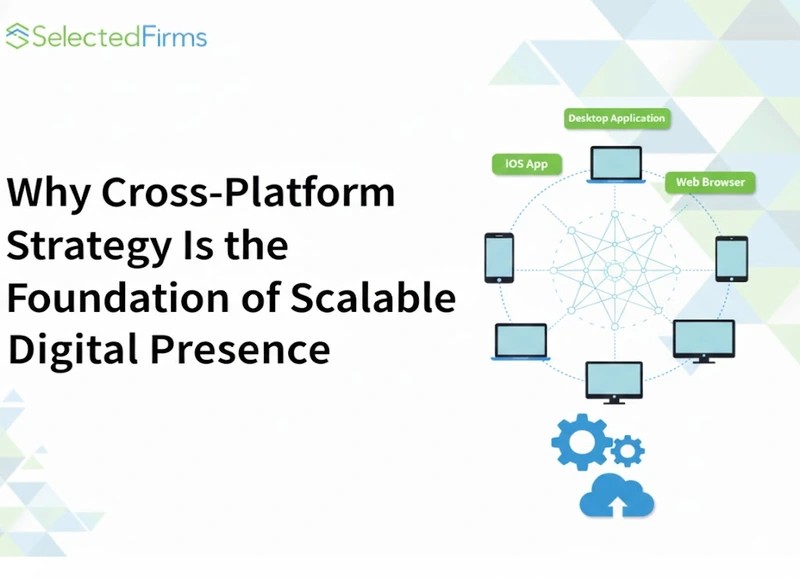
In 2026, a cross-platform strategy is not just a tool but the ground to build a successful digital presence. You cannot depend on one platform and expect growth as you did in the past. Today, both users and platforms are more diverse, and brands must unify their messaging across many networks. Users expect coherent interaction and relevant content on all channels, which can only be delivered by a connected strategy.
Advertisers that continuously utilize engagement insight, firm connections and smart adjustments simply dominate the competition. The integration of a cross-platform strategy this year will not only guarantee the presence of your brand but will also ensure its soundness and scalability in the dynamic digital landscape.
Why Single-Platform Dependency Is Risky
Relying on just one digital platform may feel comfortable, especially if it has worked well in the past. However, in today’s fast-changing digital environment, this approach carries serious risks. Platforms constantly evolve, user behavior shifts quickly, and unexpected changes can disrupt even the strongest presence. A single-platform strategy limits growth, reduces flexibility, and puts your brand in a vulnerable position. Below are some key reasons why depending on only one platform can be risky.
- Sudden algorithm changes can reduce visibility
Platforms frequently update their algorithms, which can instantly lower your content reach without warning. What worked yesterday may stop working today, cutting off traffic and engagement overnight.
- Account bans or technical issues can halt your presence
A suspended account, policy violation, or platform outage can temporarily—or permanently—remove your brand from its audience, leaving you with no backup channel.
- Audience behavior can shift to new platforms
Users often move to newer or more engaging platforms over time. If your brand stays tied to only one platform, you risk losing touch with your audience as their preferences change.
- Limited growth opportunities
Each platform has its own strengths and audience types. Relying on one platform restricts your ability to explore new formats, demographics, and engagement opportunities.
- Lack of stability and long-term security
A single-platform strategy creates dependency. A cross-platform approach, on the other hand, spreads risk, ensures continuity, and provides a more stable foundation for long-term digital growth.
By diversifying your presence across multiple platforms, you protect your brand, expand your reach, and build a more resilient and scalable digital strategy.
The Shift Toward Multi-Platform Audiences
Modern audiences have opened their minds and use multiple platforms at the same time. They receive short videos on Instagram from TikTok but still return to Facebook for meaningful content and Twitter for quick updates. Users know and desire to access a variety of digital content, which is why multi-platform formats are a useful strategy.
Understanding the behavior of your audience on each of these outlets can guide you to ensure that you provide content that adheres to their inclinations. You will not be limited to a single channel, and you will be able to communicate with your audience and adjust your offer to their needs when you are present everywhere they are.
Consistent Brand Presence Across Platforms
A reliable brand is one that remains consistent in an overly digitalized world.
- Your audience should recognise the same logo and colors whether you are on Twitter or LinkedIn.
- A coherent voice and look across various platforms give your brand a professional appearance.
- In addition, it ensures that your message reaches the target audience wherever it lands.
- You may adapt the format of your content to what the platform prefers, but the spirit of your brand should remain intact.
- The repetition of this brand image over several channels builds familiarity among your audience.
- This inexorable process results in repeated exposures, brand loyalty, and, finally, trust.
Importance of Platform-Specific Customization
Being consistent across platforms does not mean posting the same content everywhere. Each platform has a different audience and content style. Adjusting your content to fit each platform helps your message feel natural, relevant, and more engaging, while still keeping your brand identity intact.
- LinkedIn requires a professional tone
Content should be informative, value-driven, and focused on industry insights. - Instagram works best with visuals
Short videos, images, and simple captions perform better than long text. - Twitter (X) prefers short and direct updates
Quick messages, trends, and real-time posts gain more attention. - Platform-specific content improves engagement
When content fits the platform, users are more likely to interact and share. - Customization builds brand credibility
Brands that adapt appear more authentic and audience-focused.
This approach helps your brand connect better with users on every platform while maintaining a clear and consistent identity.
Data, Algorithms, and Cross-Platform Signals
In 2026, intelligent marketers use audience insights from many platforms to make informed decisions. All platforms, whether Facebook, Instagram, or Twitter, share user engagement, and these patterns often translate into preference by algorithms. For example, a response on one platform can affect your content visibility on another. It tells you to listen to and adopt the likes and dislikes of your audience.
This cross-platform signal strength provides you with a great opportunity to tie your marketing activities and be seen amid the digital noise. You can also enhance and refine your profile in the marketplace through the continuous use of advanced analytics tools.
Role of Engagement in Cross-Platform Growth
Engagement is the power that makes your content viral on more than one platform. The early interactions with your posts, such as likes and shares, do not just show approval but also increase their visibility. For example, if you run a successful campaign on Facebook, it might benefit your other posts on Instagram too.
You must also balance your organic and paid efforts to increase your engagement without losing authenticity. It is not about clicking likes. It is about developing relationships with your audience and finding the right mix of brand and human touch. Avoid robot-like actions. Authenticity never fails to generate engagement.
Scaling Campaigns Efficiently
The contemporary marketing setup is time-based, and efficiency is more significant than ever. Using similar content across various platforms saves time and money perfectly. You may, for instance, turn a long-form blog into Instagram posts and LinkedIn articles, thus maximizing its reach.
Some cross-platform campaigns and smart experiment designs provide you with quick feedback on what works best. This approach not only eases the campaign management process but also enables fast professional responses. You can adjust your strategy based on real-time insights and enjoy greater harmony and execution of your marketing strategy.
Conclusion
In the coming of 2026, a cross-platform strategy should not only be seen as an option, but as the basis for all your digital marketing efforts. It ensures that your brand remains relevant, visible, and connected. This strategy not only increases engagement and repurposes content but also guarantees the continuous effectiveness of your campaigns.
After reaching out to your audience in multiple channels and carrying out data-driven modifications, you will be capable of standing out from the competition and emerge successful in the evolving online environment. It will offer you more focus, security, and enhance the impact of your brand in everything you do.


Head Of Digital Marketing
Recent Blogs


Elia Martell
5 Virtual Recruiting Support Operations for Tech and Healthcare Teams
-

09 Oct 2026
-

8 Min
-

477
Jane Hart
Why LinkedIn Campaign Optimization Requires More Than CPC and CTR
-
09 Oct 2026
-
8 Min
-
155

Jane Hart
How to Vet an Offshore SEO Partner: A Due-Diligence Checklist for Agencies and Brands
-
08 Oct 2026
-
8 Min
-
263
Jane Hart
Benchmarking GPU Providers: A Practical Guide to Comparing Cloud Compute Options
-
07 Oct 2026
-
6 Min
-
173
