


Table of Contents
Master how social media algorithms work in 2026. Learn what drives reach, engagement, watch time, and viral growth across TikTok, Instagram, and YouTube with practical content strategies creators can apply immediately.
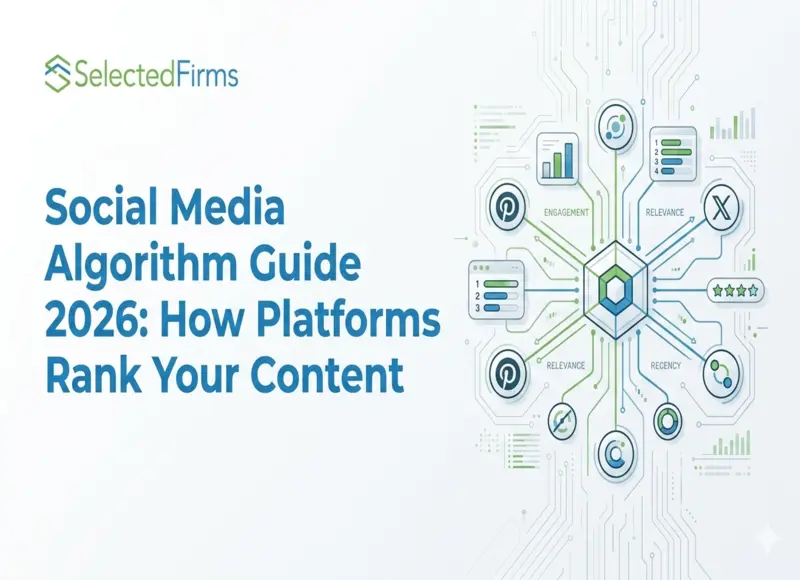
Social media algorithms in 2026 are smarter than ever. They decide what content gets seen, what gets ignored, and what goes viral. If you want to grow on platforms like TikTok, Instagram, or YouTube, you need to understand how these systems actually work.
This guide breaks it all down in simple terms so you can start making content that the algorithm actually wants to push.
How Social Media Algorithms Work in 2026
A social media algorithm is really a recommendation engine that functions on how people interact with a piece of content to selectively show what to watch next. Each like, comment, share and minute of watching feeds the advice given by the algorithm.
It is really about keeping the user on the platform as long as possible, rather than benefiting the popular creators in some way. The main idea, in this case, is that it will decide, irrespective of the content source, for the content that performs well.
The Three Core Algorithm Stages
Every piece of content goes through three stages before it reaches a large audience.
Testing Stage: Your content is shown to a small group first. The algorithm watches how they respond. If engagement is strong, it moves to the next stage.
Scoring Stage Key metrics like watch time, likes, shares, and comments are measured. The algorithm assigns a performance score based on these signals.
Distribution Stage: High-scoring content gets pushed to a broader audience. The better your score, the wider your reach.
The Most Important Ranking Factors Across Platforms
Not all signals are equal. Here are the ones that actually move the needle.
Watch Time Is the Number One Signal
The longer people watch your content, the better. Completion rate is especially powerful. If viewers are watching your video all the way through, the algorithm treats that as a strong sign of quality and pushes it further.
Engagement Signals Validate Your Content
Likes, comments, shares, and saves all matter. For example, High tiktok engagement shows that users find content valuable. But comments and shares carry more weight than a simple like. They show that your content sparked a real reaction, which the algorithm values highly.
User Behaviour and Personalisation
Each user's past activities are thoroughly analysed by the algorithm for a prediction of their next pleasant experiences. If one consistently watches cooking videos and saves recipes, the service determines that they will see more of such content. It is your duty to provide content that blends efficiently with the interests of your target audience, making such a connection manageable for algorithms.
Platform-Specific Algorithm Differences
The core logic is similar across platforms, but each one applies it differently.
TikTok: TikTok is built for discovery. It shows content to non-followers through the For You Page. Watch time and rapid testing cycles are the main focus here.
Instagram: Instagram balances discovery with relationship signals. It prioritises content from accounts you interact with while using Reels to introduce new creators. Saves and shares are especially strong signals on this platform.
YouTube: YouTube is all about session time. It envisions video after video to be watched by the users. Creators who keep the viewer longer on the platform get more recommendations.
Content Signals That Improve Ranking
Beyond engagement, there are specific things you can do inside your content to improve how the algorithm scores it.
Start With a Strong Hook
You have about two to three seconds to stop someone from scrolling. A strong opening line, visual, or question can make the difference between a viewer staying or leaving immediately.
Keep a Clear Structure
Content that flows well keeps people watching longer. A simple format like Hook, Value, and Call to Action works well across most platforms and helps improve your completion rate.
Stay Relevant to Your Niche
The more focused your content is, the easier it is for the algorithm to match it with the right audience. Niche topics improve targeting accuracy and lead to better engagement rates.
The Role of Audio and Captions
Audio plays a bigger role than most creators realise. On TikTok and Instagram, using trending sounds can give your content an extra visibility boost inside discovery feeds. The platforms actively promote content tied to popular audio.
Nearly always a large cluster watches silent videos. Captions can manage to keep all those viewers interested and can boost your watch time. It also makes it available for a wider audience, which is never a bad thing.
Posting Time and Frequency
When you post matters more than most people think. Early engagement velocity plays a big role in how the algorithm scores your content during the testing phase. Posting when your audience is most active gives your content the best chance of picking up strong signals quickly.
Check your platform analytics to find out when your followers are online and schedule your posts around those windows.
Frequency matters too. Posting three to five times per week gives you more testing opportunities without sacrificing quality. Posting every day with low-effort content will hurt your average performance score over time.
Analytics: Measuring What Matters
If you are not looking at the right numbers, you are flying blind.
Average watch percentage tells you how much of your video people are actually watching. The retention curve on TikTok and YouTube shows you the exact moment people drop off, which helps you fix weak spots in your content.
On Instagram, the save rate relative to your reach is one of the most useful signals. A high save rate means people found your content valuable enough to come back to.
Focus on these deeper metrics rather than chasing total views or follower count. Those numbers look nice, but do not directly influence how the algorithm ranks your content.
Niche Authority and Consistency
Posting consistently in one niche trains the algorithm to understand what your content is about and who it is for. Over time, the platform gets better at connecting your posts with the right audience, which leads to more reliable reach and faster growth.
Jumping between unrelated topics confuses the recommendation system. It does not mean you have to be boring. It just means giving the algorithm enough consistent signal to work with.
Cross-Platform Strategy
You do not need to create everything from scratch for every platform. Repurposing content is smart, but direct copy-pasting usually hurts performance.
Watermarked TikTok videos are pushed down by Instagram and YouTube Shorts. Every platform also favors its own aspect ratio and video lengths. The best approach is to construct one strong piece of content and optimize for every platform. Strip away the watermark, adjust length, and tweak format before hitting Publish. And this very little step will do wonders for how each algorithm responds.
Distribution Mechanics: How Content Goes Viral
Going viral is not random. It follows a pattern.
Your content starts with a small test audience. If engagement is strong, it expands to a broader group. If performance stays consistent through that phase, it gets pushed to a mass audience. The key is maintaining strong signals at every stage, not just at the beginning.
Common Algorithm Misconceptions
A lot of creators hold onto beliefs that actually hold them back.
Shadowbans Are Not the Main Problem: Most visibility issues come from weak performance signals, not shadowbans. Before blaming a shadowban, look at your retention and engagement data first.
Hashtags Do Not Drive Growth on Their Own: Hashtags help the algorithm categorise your content, but they cannot replace strong engagement and watch time signals.
More Followers Does Not Mean More Reach: Content performance matters far more than follower count. A small account with strong engagement will consistently outperform a large account posting weak content.
How to Optimise Your Content for Algorithms
Keep it simple and focus on what moves the needle.
Work on your hooks first. If people are not watching past the first few seconds, nothing else matters. Keep your content concise and get to the value quickly. Use clear calls to action to encourage comments and shares. Post on a consistent schedule so you are always generating new data for the algorithm to work with.
Algorithm Updates and Staying Current
Your message must stop people scrolling after a few seconds. Keep it short, and get to the point as fast as possible. Instructor clear calls-to-action to solicit comments and shares. Make sure to post at regular intervals to continually provide fresh data for the algorithm to work upon.
The creators who grow fastest are the ones who treat their strategy as something that evolves constantly. Stay curious, keep testing, and do not get too attached to any single approach.
Algorithms Reward Performance, Not Popularity
The great big takeaway is indeed that algorithms have no idea who you are; they are rather concerned with whatever actions or results your content may accomplish. Consequently, watch time, engagement, and relevance are the real currencies used during that operation.
They can now pretty much predict when something is going to go viral, based on what they generally know with reference to these signals and how a video with those specs will behave.
FAQs
They rank content based on watch time, engagement signals, and user behaviour data.
Watch time is the most important because it directly reflects how much users value your content.
They help with categorisation but are far less important than engagement and retention.
Usually because of weak retention or low engagement during the initial testing phase.
Yes. Content performance matters more than follower count.
Improve your hook, increase engagement, post consistently, and track your retention data.


Head Of Digital Marketing
Recent Blogs


Elia Martell
5 Virtual Recruiting Support Operations for Tech and Healthcare Teams
-

09 Oct 2026
-

8 Min
-

477
Jane Hart
Why LinkedIn Campaign Optimization Requires More Than CPC and CTR
-
09 Oct 2026
-
8 Min
-
155

Jane Hart
How to Vet an Offshore SEO Partner: A Due-Diligence Checklist for Agencies and Brands
-
08 Oct 2026
-
8 Min
-
263
Jane Hart
Benchmarking GPU Providers: A Practical Guide to Comparing Cloud Compute Options
-
07 Oct 2026
-
6 Min
-
173
