How Gamification Is Transforming Modern Digital Products
-
Last Updated:

13 Mar 2026
-
Read Time:

8 Min Read
-
Written By:
 Elia Martell
-
8
Table of Contents
What makes people keep opening the same apps every day? Gamification. Features like streaks, progress bars, and rewards transform ordinary digital experiences into engaging systems that motivate users and build lasting habits.
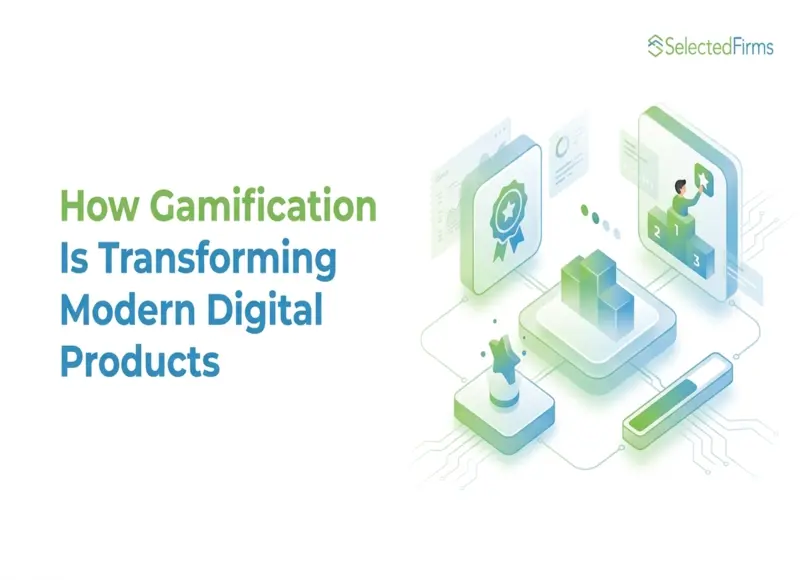
Modern brands clearly see how gamification is changing modern-day digital products. This approach incorporates game-like aspects in regular digital tools. Apps, platforms, and services use these mechanics to improve engagement and retention. What used to be about simple badges or points has morphed into a serious product strategy. Companies are now building systems that reward progress, curiosity, and consistency.
This change can be seen in a wide range of industries. Saving through challenges and progress tracking in finance apps helps. Fitness platforms use things like streaks and milestones to encourage activity. Learning tools reward point by point, level by level, and daily study. These incentives make routine activities purposeful. There is a crowded digital market, and products need to always keep the user's attention.
Think about how often you open an app just to keep a streak going. Or how you finish a task just to watch a progress bar fill up. That is gamification doing its job. It is not by accident. It is built that way on purpose.
And it works across all kinds of people. It does not matter if you are a student, a working adult, or someone just trying to get fit. The pull of small rewards and visible progress works the same way for most of us.
Core Mechanics and Psychology
Gamification is effective since it appeals to fundamental human psychology. Human beings react well to development and apparent success. Various straightforward mechanics are employed by digital platforms to elicit this reaction.
- Points reward completed actions.
- Badges highlight milestones.
- Leaderboards introduce friendly competition.
- Levels show long-term progress.
- Daily challenges encourage regular activity.
These factors form a definite feedback. Every action that is accomplished gives a little feeling of achievement. This reward motivates people to continue using the product. With time, habitual behavior is formed.
This is enhanced by visual cues. Progress bars indicate the proximity of a person to the next objective. Notifications are used to celebrate accomplished tasks. Even minor rewards make the routine actions productive. This constant feedback keeps the users focused on long-term goals.
Each of these tools is simple on its own. But together they create something powerful. They give users a clear reason to keep going. Without them, many people would stop using an app after just a few days.
Here is why that matters:
- Most apps lose the majority of new users in the first week.
- Gamification helps close that gap by building habits early.
- Small wins at the start lead to bigger habits over time.
The key is feedback. When an app reacts to what you do — even in a small way — you feel seen. You feel like your actions matter. That feeling keeps you coming back.
The Rise of Interactive Narratives
Gamification is also influencing narrative-driven digital platforms. Telling stories has never been weak in keeping people entertained. Modern platforms are a mixture of narrative structure and interactive systems. One example is the growing popularity of interactive story games, where readers influence plot direction through their choices.
In such systems, decisions open various scenes or endings. The narrative changes according to the actions of the user rather than having a single direction. The readers are more engaged since their choices influence the course of action. This arrangement makes reading an active process rather than a passive one.
Emotional involvement is reinforced by narrative mechanics. By taking control of a story, users are interested in the result. They desire to know the impact of their decisions on characters and events. This interest promotes extended visits and frequent visits. The reward is no longer in the form of traditional points or badges. Instead, it is all about the story progression. Every choice advances the storyline and opens up new opportunities.
This type of experience is growing fast. More and more platforms are moving away from passive content. They want users to feel involved, not just watching or reading from the side.
When you have a say in what happens, you care more about the outcome. You are not just a reader. You are part of the story. That shift changes everything about how long people stay and how often they come back.
It is also a smart way to stand out. There are thousands of apps and platforms out there. Ones that make you feel like an active part of the experience are far more likely to be remembered.
Real-World Success and Metrics
Studies indicate the reason why gamification is spreading in digital products. Numerous sources indicate that gamified interfaces yield much greater engagement than conventional interfaces. According to some estimates, the engagement rates rise by up to 150 percent when the game mechanics are introduced in product design. Retention improves as well. The system of loyalty and challenges encourages users to visit it on a regular basis. Initial activities assist new users in getting momentum and habits.
Those numbers are hard to ignore. A 150 percent rise in engagement means users are spending much more time in the app. They are doing more. They are coming back more often.
For businesses, this translates directly into growth. More engagement means more data, more trust, and more revenue. It is one of the clearest links between product design and business results.
Here is a quick summary of what the numbers show:
- Engagement can go up by up to 150% with game features added.
- Users return more often when streaks and daily goals are in place.
- New users build habits faster when early wins are easy to get.
- Loyalty grows when users feel rewarded for their time.
Examples from Major Platforms
Gamification is an ingredient of many big digital services to reinforce user loyalty. Here are some of the most prominent ones:
Nike Run Club: Fitness platform Nike Run Club motivates runners through badges, milestones, and challenges. Each completed run adds visible progress, encouraging consistency.
Spotify: A music service, uses another strategy. Individual playlists serve as a reward for frequent listening. The social sharing is also promoted by the annual feature Spotify Wrapped.
Fitbit: A health tracking platform that includes streaks and step targets for daily movement. Clearly defined progress indicators will keep the users active.
These examples demonstrate how gamification can be adjusted to various industries, but with the same fundamental concept: visible progress leads to engagement.
What makes these platforms stand out is not just that they use gamification. It is how well they match the rewards to what users actually care about.
A runner does not just want points. They want to see their distance grow. A music lover does not need a leaderboard. They want a personal story about what they listened to. Fitbit users want to feel healthy. Seeing their step count go up does exactly that.
The lesson here is simple. Good gamification feels natural. It fits the product. It matches what the user is already there to do.
Market Trends and Future Development
The gamification market is growing with more companies paying attention to the engagement-based design. The primary sources of this growth are mobile platforms and digital services.
The next level of gamification is being influenced by artificial intelligence. Challenges can be altered by AI systems depending on the user behavior. As the level of skills increases, some users are given tougher tasks, whereas others are given easy objectives that keep them motivated. The most significant feature will probably be personalization. Consumers are becoming more demanding of digital products to conform to their lifestyles and tastes.
This shift toward personalization is a big deal. Right now, most gamified apps treat everyone the same. You get the same badges and the same daily challenges as every other user. That is starting to change.
With AI, the app can learn about you. It can see what motivates you and what does not. It can adjust in real time. If you are progressing fast, it raises the bar. If you are losing interest, it simplifies things to bring you back.
This means the future of gamification looks like this:
- Challenges that match your skill level — not everyone else's.
- Rewards that feel personal, not generic.
- Apps that adapt to your life, not the other way around.
Users who feel like an app truly understands them are far more likely to keep using it. That is the next step for gamification — and it is already starting to happen.
The Lasting Influence of Gamification
Gamification has transformed the interactions of individuals with digital tools. Most apps are currently organized systems that promote growth and engagement. This change touches on the education, health, and entertainment industries.
Companies that apply gamification carefully gain a strong advantage. Engagement drives loyalty, retention, and long-term growth. As digital competition increases, the ability to motivate users becomes critical. Gamification remains one of the most effective ways to achieve that goal.
It is worth stepping back and seeing just how much has changed. A few years ago, most apps were just tools. You opened them, did something, and closed them. There was no reason to come back unless you needed to.
Now apps are designed to pull you in. They reward you. They remember you. They give you reasons to return. That is a fundamental shift in how digital products are built.
And the impact is real. Users spend more time in gamified apps. They trust them more. They talk about them more. They stick with them longer.
For any company building a digital product today, gamification is not optional. It is expected. Users have grown used to apps that reward them. Products that do not offer that experience will feel flat by comparison.
The companies that do this well will always be a step ahead. They build products that feel good to use — and that is what keeps people coming back, day after day.
Marketing Manager
Recent Blogs



Isha Choksi
How to Choose a Professional Team Chat App for Streamlined Internal Communication
-
13 Mar 2026
-
5 Min
-

66

Trends

Jane Hart
PDF Signatures: Strengthening Client Trust and Closing Deals Faster
-
12 Mar 2026
-
6 Min
-
46
Trends
Isha Choksi
The Role of Address Intelligence Software in Modern Supply Chain Systems
-
09 Mar 2026
-
9 Min
-
193