


Table of Contents
Discover essential free digital marketing tools tailored for small businesses. These tools help you improve your marketing strategy, making it easier and more affordable to connect with a wider audience. Boost your online presence and attract more custome
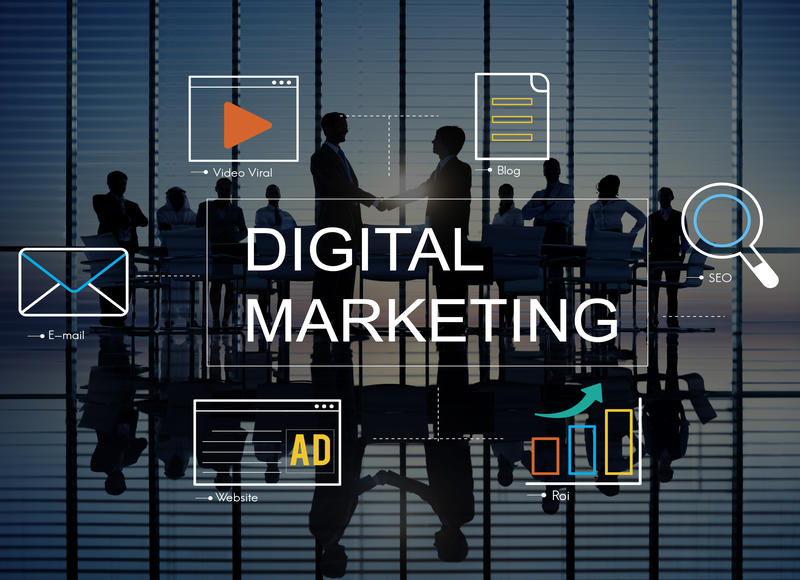
Small businesses in today's digital era need to make use of technology to stay competitive. However, financial constraints do not permit advanced marketing expenditures. Free digital marketing applications are many, and these tools can be used by small businesses or even digital marketing agencies to grow their online presence, interact with clients, and increase sales. This will discuss some of the most effective free services that help with marketing without incurring high charges.
1. Google Analytics
Best for: Website traffic analysis
Google Analytics is integral for a small business that has an online presence. This tool gives complete data on on-site visits, users’ actions on the page, and levels of conversion. This particular Google application helps businesses know how certain users respond to their websites. From this data, business marketing plans can be adjusted to align with how people engage with websites.
Key Features:
- Monitor website traffic sources
- Track user engagement and behavior
- Analyze conversion rates
- Identify top-performing content
2. Canva
Best for: Graphic design
Canva is a great free app for producing professional quality graphics, social media graphics, and marketing materials. Small businesses without a design team can still create great visuals. Its easy drag-and-drop interface helps them make beautiful images.
Key Features:
- Thousands of customizable templates
- Free stock images and icons
- Easy-to-use design tools
- Social media post-scheduling
3. SocialPilot
Best for: Social media scheduling & analytics
Handling multiple social accounts without losing your mind is a must for any business. SocialPilot lets you schedule posts, analyze performance, and manage client accounts all in one place.
Key Features:
- Bulk scheduling across major platforms
- Content calendar & queue management
- Performance analytics for posts & accounts
- Team collaboration with roles & approvals
- Client management dashboard (great for agencies)
4. HubSpot CRM
Best for: Customer relationship management (CRM)
HubSpot gives a free CRM that allows small businesses to manage their customer relationships like pros. It offers a full insight into all customer interactions, which helps businesses manage communication and sales activities effectively.
Key Features:
- Contact and deal management
- Email tracking and engagement
- Sales pipeline visualization
- Marketing automation integrations
5. Mailchimp (Free Plan)
Best for: Email marketing
Email marketing is still relatively one of the cheaper marketing avenues. Industries in the free plan Mailchimp can create and send professional-looking emails and automatic replies and check how their campaigns are doing.
Key Features:
- Email template customization
- Marketing automation
- Audience segmentation
- Performance Analytics
6. Buffer
Best for: Social media management
It takes time to manage multiple social media platforms. Buffer makes this easier by permitting companies to schedule posts, track performance, and engage with followers across the different platforms from one dashboard.
Key Features:
- Social media post-scheduling
- Analytics and engagement tracking
- Team collaboration tools
- Integration with multiple social platforms
7. SEMrush Free Plan
Best for: SEO and keyword research
SEO helps drive organic traffic to a website. SEMrush provides a free plan that enables small businesses to utilize key SEO tools like keyword research, competitor analysis, and website audits.
Key Features:
- Keyword research and tracking
- Backlink analysis
- Site audits
- Competitive analysis
8. Trello
Best for: Project management
Trello is also a tremendous, no-cost platform for designing and executing marketing plans. The board and card visual system makes teams work more effectively together to share information and productivity on projects.
Key Features:
- Drag-and-drop task management
- Customizable workflows
- Team collaboration features
- Integration with other productivity tools
9. AnswerThePublic
Best for: Content ideas and SEO
Creating new and timely content is crucial to captivating audiences. AnswerThePublic assists companies in finding popular topics through insights into what individuals are looking for on the internet.
Key Features:
- Keyword and content idea generation
- Visual search insights
- SEO optimization tips
10. Hootsuite (Free Plan)
Best for: Social media scheduling and analytics
Like Buffer, Hootsuite offers a free plan that allows small businesses to schedule posts and track engagement across multiple social media platforms.
Key Features:
- Manage multiple social media accounts
- Schedule posts in advance
- Analyze social media performance
11. Google My Business
Best for: Local SEO and online visibility
Small businesses need Google My Business to be accessible to local clients. It enables businesses to appear in local search results and within Google Maps, where customers will most likely see them.
Key Features:
- Manage business listings
- Customer reviews and interactions
- Insights on search performance
12. Yoast SEO (Free Version)
Best for: WordPress SEO
Yoast is most useful to businesses built on WordPress. Yoast SEO is a plugin that optimizes content on WordPress websites' web pages. It gives immediate feedback and tips on how to improve SEO content.
Key Features:
- On-page SEO analysis
- Readability check
- XML sitemap generation
13. Google Trends
Best for: Market research and content planning
The tracking industry is always helped by Google Trends as it assists companies in figuring out what is in vogue in the business’s specific industry branch.
Key Features:
- Compare keyword popularity
- Identify seasonal trends
- Regional search insights
14. Ubersuggest (Free Version)
Best for: Keyword research and SEO analysis
Neil Patel has created a free-to-use site for keyword suggestions, SEO information, and competitive intelligence to assist companies in determining and improving their online presence.
Key Features:
- Keyword Suggestions
- Backlink data
- SEO audit
15. Hotjar (Basic Plan)
Best for: Website user behavior tracking
Hotjar's free option enables small companies to see how users are engaging with their websites through heatmaps and session recordings.
Key Features:
- Heatmaps for tracking clicks and scrolling behavior
- Session recordings
- Feedback polls and surveys
16. Residential Proxies
Best for: Secure data scraping and anonymous browsing
Small companies that require market analysis and competitor data or that need to handle multiple accounts without being blocked can use residential proxies. The proxies offer anonymity and allow the companies to accumulate useful information undetected.
Key Features:
- Secure and anonymous web browsing
- Helps bypass geo-restrictions
- Ideal for web scraping and automation
Conclusion
Small businesses can use free digital marketing tools to build a strong presence and engage with their audience to sell more. These solutions, from SEO and content creation to social media marketing and customer service management, provide a whole set of marketing instruments. Google Analytics, Mailchimp, Buffer, and residential proxies are just some of the tools that help businesses optimize their marketing efforts and remain competitive online.


Head Of Digital Marketing
Recent Blogs


Elia Martell
5 Virtual Recruiting Support Operations for Tech and Healthcare Teams
-

09 Oct 2026
-

8 Min
-

988
Jane Hart
Why LinkedIn Campaign Optimization Requires More Than CPC and CTR
-
09 Oct 2026
-
8 Min
-
327

Jane Hart
How to Vet an Offshore SEO Partner: A Due-Diligence Checklist for Agencies and Brands
-
08 Oct 2026
-
8 Min
-
510
Jane Hart
Benchmarking GPU Providers: A Practical Guide to Comparing Cloud Compute Options
-
07 Oct 2026
-
6 Min
-
237
